If you’ve ever felt scattered, anxious, or disconnected from the present moment, you’ve probably heard someone suggest “get grounded.” One of the simplest ways people do this is by working with crystals for grounding stones long associated with stability, calm, and a stronger connection to the earth.
This guide breaks down exactly what grounding crystals are, which stones are considered most effective, and how to actually use them in a daily routine. Whether you’re new to crystal healing or looking to deepen an existing practice, you’ll find practical, no-fluff guidance here plus where to shop for authentic stones if you’re just getting started.
What Are Grounding Crystals?
Grounding crystals are stones traditionally used in energy work and mindfulness practices to help a person feel centered, stable, and connected to the physical world. In crystal healing traditions, grounding is the practice of “anchoring” your energy similar to how a lightning rod channels electricity safely into the earth.
Most grounding crystals are:
- Dark, earthy-colored stones (black, brown, deep red, or root-chakra tones)
- Associated with the root chakra (Muladhara), the energy center linked to safety and stability
- Dense or heavy in feel, symbolically tied to the earth element
Quick definition: A grounding crystal is any stone used with the intention of reducing mental scatter, anxiety, or overwhelm by symbolically or ritually reconnecting a person to a sense of physical and emotional stability.
It’s worth noting upfront: crystal healing is a complementary wellness practice, not a scientifically validated medical treatment. Many people find genuine value in it as a mindfulness tool, similar to how a worry stone or meditation cushion can support a calming ritual but it should not replace professional medical or mental health care.
How Grounding Crystals Work
There are two common explanations people give for how grounding crystals “work,” and it’s helpful to understand both.
1. The Energy Perspective (Traditional Belief)
In crystal healing traditions, each stone is believed to carry a specific vibrational frequency. Grounding stones are said to help balance the root chakra, clearing blocked energy that manifests as anxiety, restlessness, or feeling “in your head.”
2. The Mindfulness Perspective (Practical Explanation)
From a behavioral standpoint, holding a grounding stone can act as a tactile anchor similar to techniques used in grounding therapy for anxiety (like the 5-4-3-2-1 method). The physical act of touching, holding, or focusing on an object gives the nervous system something concrete to focus on, which can interrupt spiraling thoughts.
Expert insight: Many wellness practitioners recommend pairing crystal grounding with proven techniques — deep breathing, walking barefoot on grass (“earthing”), or short meditation — rather than relying on the stone alone. The ritual around the crystal often matters as much as the crystal itself.
The 10 Best Crystals for Grounding
Here are the most commonly recommended grounding stones, based on both traditional crystal healing practice and popularity among practitioners.
1. Black Tourmaline
Widely considered the top grounding and protective stone. Associated with absorbing negative energy and creating an energetic “shield.”
2. Hematite
A heavy, metallic stone often used specifically for root chakra work. Its density makes it a favorite for beginners who want a strong physical sensation of grounding.
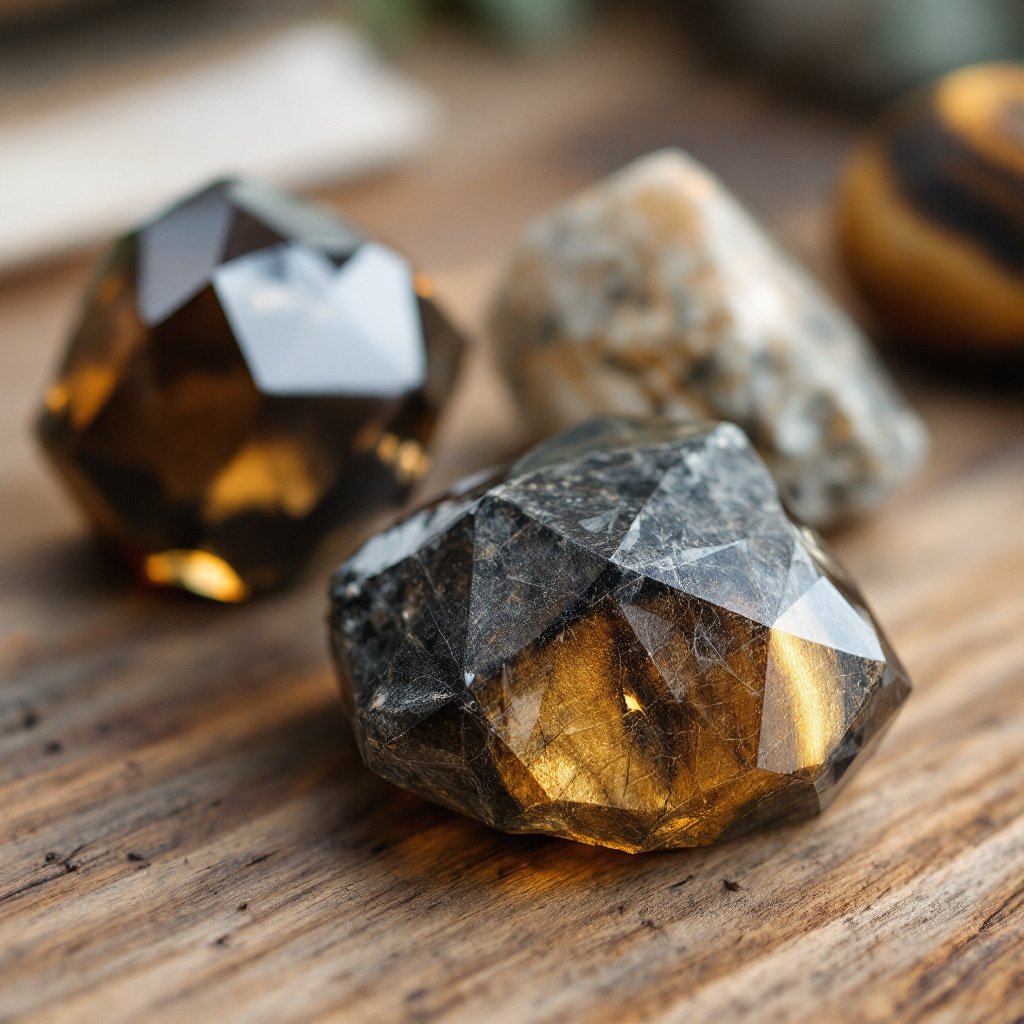
3. Smoky Quartz
A gentle grounding stone that’s also linked to releasing negative emotions and mental fog.
4. Red Jasper
Known as the “supreme nurturer” in crystal traditions, red jasper is tied to stability, courage, and root chakra balance.
5. Obsidian (especially Black Obsidian)
A volcanic glass associated with deep grounding and emotional protection; often used in shadow work.
6. Tiger’s Eye
Combines grounding with confidence-building properties; popular for people grounding before big decisions or presentations.
7. Garnet
A root-chakra stone tied to vitality and staying present, often used alongside grounding meditation.
8. Onyx
Associated with strength and stamina, onyx is a common choice for grounding during periods of grief or transition.
9. Petrified Wood
Literally fossilized earth material, petrified wood is used to symbolize deep patience and ancient stability.
10. Bloodstone
A deep green stone with red flecks, traditionally linked to grounding combined with courage and vitality.
Beginner tip: If you can only buy one grounding stone to start, black tourmaline or hematite are the two most commonly recommended by experienced crystal practitioners for their strong, reliable grounding association.
Grounding vs. Protection vs. Healing Crystals
People often search for “grounding,” “protection,” and “healing” crystals interchangeably but they serve different intentions. Here’s how they compare:
| Category | Primary Intention | Common Stones | Best For |
| Crystals for Grounding | Stability, presence, calming overwhelm | Black tourmaline, hematite, smoky quartz, red jasper | Anxiety, racing thoughts, feeling “spacey” |
| Crystals for Protection | Shielding from negative energy | Black tourmaline, obsidian, tiger’s eye, amethyst | Empaths, energy sensitivity, new environments |
| Crystals for Healing | General emotional/physical wellbeing support | Rose quartz, clear quartz, amethyst, citrine | Emotional recovery, stress relief, self-care rituals |
Note: Several stones (like black tourmaline and obsidian) overlap categories, which is why many spiritual shops sell “grounding and protection” bundles.
How to Use Crystals for Grounding: Step-by-Step
Here’s a simple, beginner-friendly ritual for incorporating grounding crystals into your day.
- Choose your stone. Pick a grounding crystal that feels right to you trust your intuition or start with black tourmaline or hematite.
- Cleanse it first. New crystals are often cleansed with running water, smoke (like palo santo), or moonlight before first use.
- Set an intention. Hold the stone and mentally state your intention (e.g., “I am safe, stable, and present”).
- Ground physically. Sit or stand with bare feet on the floor or ground while holding the stone.
- Breathe. Take 5–10 slow, deep breaths, focusing on the weight and texture of the crystal in your hand.
- Carry or place it. Keep the stone in a pocket, place it on your desk, or put it under your pillow for ongoing grounding support.
- Repeat daily. Consistency matters more than duration even 2–3 minutes a day can build a grounding habit.
Voice search tip: If you’re asking a smart assistant “how do I use a grounding crystal,” the short answer is: hold the stone, breathe deeply, set an intention for stability, and keep it nearby throughout the day.
Pros & Cons of Crystal Grounding Practices
| Pros | Cons |
| Low-cost, accessible mindfulness tool | No scientific evidence crystals have measurable healing properties |
| Can support existing anxiety-reduction techniques | Should not replace therapy or medical treatment |
| Encourages ritual and routine, which aids mental focus | Quality and sourcing of stones varies widely by seller |
| Widely available in physical and online metaphysical stores | Effectiveness is subjective and varies by individual |
| Easy to combine with meditation, yoga, or journaling | Some sellers make exaggerated medical claims |
Common Mistakes to Avoid
- Expecting instant results. Grounding is a practice, not a one-time fix.
- Skipping the cleansing step. Many practitioners believe uncleansed stones carry residual energy from handling or shipping.
- Buying from unverified sellers. Poor sourcing can mean dyed glass or synthetic stones sold as “natural.”
- Relying on crystals alone for anxiety or panic. They work best as a complement to therapy, movement, or breathing techniques not a replacement.
- Overloading with too many stones at once. Beginners often do better starting with one or two grounding stones before building a larger collection.
Best Practices & Expert Tips
- Start simple. One grounding stone, used consistently, is more effective than ten stones used occasionally.
- Pair with breathwork. Combining a grounding stone with 4-7-8 breathing or box breathing amplifies the calming ritual.
- Cleanse regularly. Recharge stones monthly under moonlight or with sound (like a singing bowl).
- Match the stone to the moment. Keep hematite at your desk for focus, and carry tiger’s eye before high-stress events like interviews.
- Buy from reputable metaphysical or spiritual shops that disclose sourcing and stone authenticity.
What Is a Metaphysical Store? Where to Buy Grounding Crystals
A metaphysical store (sometimes called a spiritual shop or crystal shop) is a retailer physical or online that specializes in products used for spiritual, energetic, and mindfulness practices. This typically includes:
- Crystals and stones (raw, tumbled, or jewelry)
- Incense, sage, and palo santo
- Tarot and oracle cards
- Candles, herbs, and ritual tools
- Books on energy work, astrology, and spirituality
Many people today prefer buying from a spiritual online shop rather than a physical location, since online retailers often provide more detailed sourcing information, customer reviews, and a wider stone selection than a local store can stock.
What to look for in a reputable crystal seller:
- Clear information about where stones are sourced
- Photos of the actual stone you’ll receive (not just stock images)
- Transparent return and authenticity policies
- Reviews from verified buyers
- No exaggerated medical claims (a trustworthy seller will describe traditional uses, not promise cures)
FAQ
1. What is the best crystal for grounding?
Black tourmaline and hematite are the two most commonly recommended grounding crystals due to their strong association with root chakra stability and their widespread availability.
2. How do grounding crystals work?
Grounding crystals are believed to work by balancing the root chakra energetically, while also serving as a physical, tactile anchor that helps interrupt anxious or scattered thinking similar to other mindfulness grounding techniques.
3. Can crystals really reduce anxiety?
There’s no scientific evidence that crystals have measurable physiological effects on anxiety. However, many people find the ritual of holding a stone and focusing on breath genuinely calming, similar to other mindfulness practices.
4. How do I cleanse a grounding crystal?
Common cleansing methods include rinsing with water (for water-safe stones), smoke cleansing with sage or palo santo, or leaving the stone under moonlight overnight.
5. Where should I keep my grounding crystal?
Popular spots include a desk, nightstand, pocket, or a small pouch carried throughout the day. Some people also place grounding stones near doorways for a protective, stabilizing effect.
6. Are grounding crystals and protection crystals the same thing?
Not exactly. Grounding crystals focus on stability and presence, while protection crystals focus on shielding from negative energy though several stones, like black tourmaline, serve both purposes.
7. How much do grounding crystals cost?
Prices vary widely, from a few dollars for a small tumbled stone to $50 or more for larger, high-quality specimens or jewelry pieces.
8. Can beginners use grounding crystals safely?
Yes. Grounding crystals are generally safe to handle and are a low-risk way to explore crystal healing as a beginner.
9. How often should I use my grounding crystal?
Daily use, even for just a few minutes, tends to be more effective than occasional use, since consistency helps build the calming ritual.
10. What is a metaphysical store, and is it different from a regular gift shop?
A metaphysical store specializes specifically in spiritual and energy-work products like crystals, tarot cards, and incense, whereas a general gift shop carries a broader, non-spiritual product range.
Key Takeaways
- Grounding crystals like black tourmaline, hematite, and smoky quartz are traditionally used to promote calm, stability, and presence.
- They’re best understood as a mindfulness tool and ritual aid, not a scientifically proven treatment.
- Pairing a grounding stone with breathwork or meditation tends to be more effective than using it alone.
- Buy from reputable metaphysical or spiritual online shops that are transparent about sourcing and authenticity.
- Start with one or two stones and build a consistent daily practice rather than collecting many stones at once.
Conclusion
Crystals for grounding won’t replace therapy, medication, or professional mental health support and no reputable seller should claim otherwise. But as a simple, tactile ritual to help you pause, breathe, and reconnect with the present moment, grounding stones have earned their place in many people’s daily wellness routines.
If you’re ready to start your own grounding practice, choose one stone that speaks to you, commit to a short daily ritual, and give it a few weeks of consistency before expecting to notice a difference.
Ready to find your grounding stone? Browse our curated collection of ethically sourced grounding crystals including black tourmaline, hematite, and smoky quartz and start building a calmer, more centered daily practice today.